

Have your say on the Draft Local Alcohol Policy
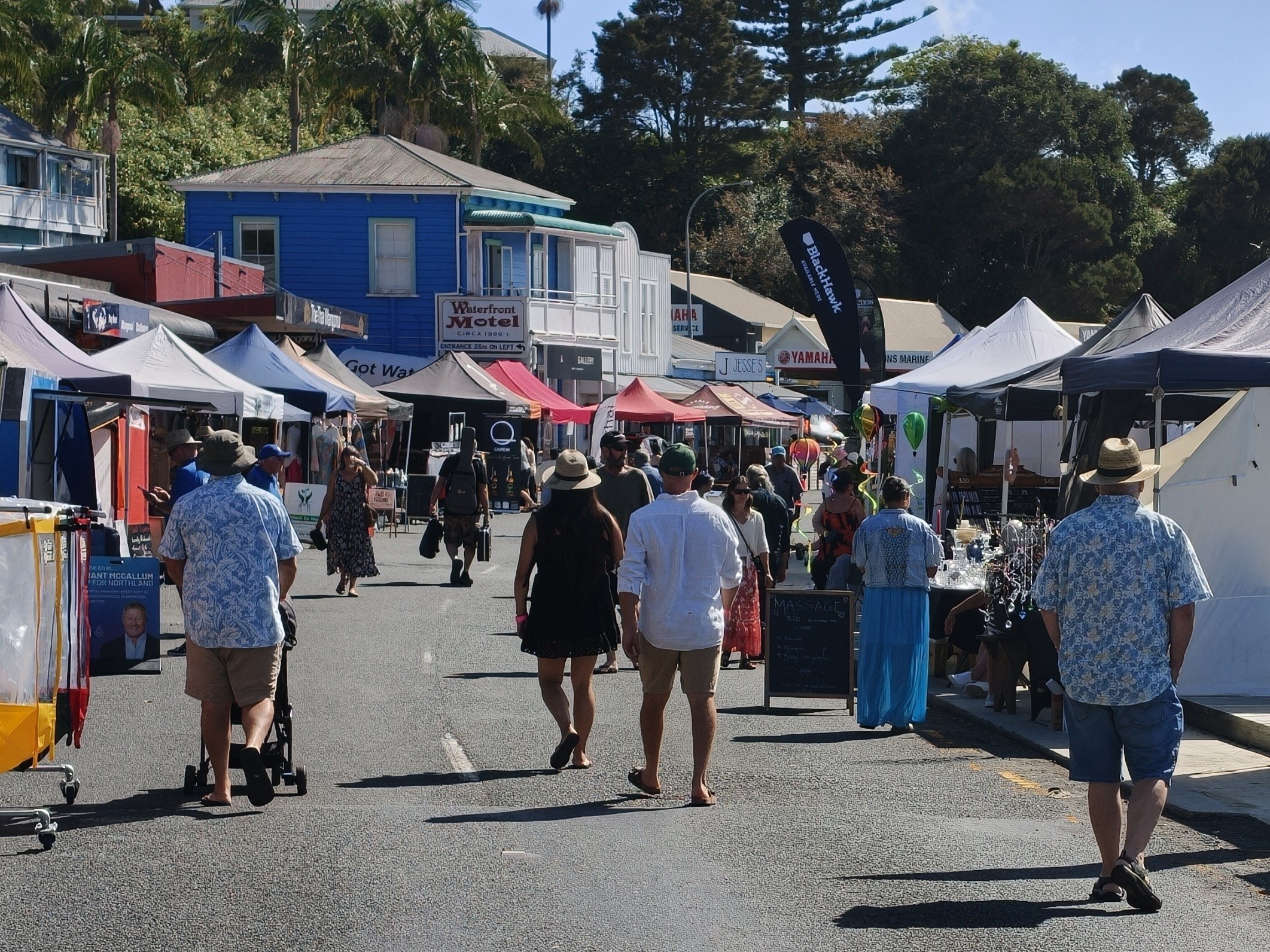
Far North District Council is asking for your feedback on how alcohol is sold in our communities.
A Local Alcohol Policy sets out the council’s approach to alcohol licences. It includes guidelines on where and when alcohol can be sold, and the conditions that may apply to businesses selling alcohol in the district.
The draft Policy aims to support the safe and responsible sale and consumption of alcohol, while helping reduce alcohol related harm in the Far North.
Here’s what we are proposing | Anei tā mātou e whakatakoto nei
Read the Statement of Proposal here to find out what is being proposed and why covering topics such as;
- when alcohol can be sold, including proposed trading hours for different types of licensed premises
- where new alcohol outlets can operate, including considerations around schools, marae, treatment centres and places of worship
- conditions for licensed premises, including noise, crowd numbers, host responsibility and one way door requirements
- alcohol advertising and promotions, including some proposed restrictions
- how alcohol is sold, including proposed restrictions on some single can and bottle sales
- special events, including requirements for larger events to have alcohol management plans.
How can I have a say? | E whai wāhi ai koe ki ngā kōrero?
Share your feedback by completing the online survey
You can also share your feedback by:
- Email: send your feedback to submissions@fndc.govt.nz
- In person: drop off a hard copy survey at any FNDC service centre or library.
- By mail: post your feedback to Far North District Council, Private Bag 752, Kaikohe 0440.
If you would like to speak to elected members about your submission, you can select this option in the submission form, or email submissions@fndc.govt.nz.
Share your feedback before submissions close on Sunday 15 November 2026.
Questions and answers | Ngā pātai me ngā whakautu
A LAP is a set of guidelines from the Council for decisions of the District Licensing Committee (DLC) regarding alcohol licenses.
A LAP guides decisions on where and when alcohol can be sold, aiming to reduce alcohol-related harm and promote the safe and responsible sale and consumption of alcohol.
The DLC considers and makes decisions regarding new alcohol license applications, renewals, and variations. The DLC must take the LAP into account in its decisions alongside input from licence applicants, the community, the Police, Public Health, and Licensing Inspectors.
A LAP can:
- set the maximum opening hours for different types of licences
- limit the location of licences in particular areas or near facilities such as schools or drug/alcohol addiction treatment centres
- limit the density of licences by specifying whether new licences of various types should be issued
- indicate when 'one-way door' conditions may apply for pubs and taverns i.e. allowing patrons to leave premises but not enter or re-enter after a certain time
- list other conditions that the DLC may apply to alcohol licences such as prohibiting alcohol sales via Buy Now Pay Later schemes.
Key reasons to make a LAP include:
- to address the extensive problems and harms associated with the inappropriate consumption of alcohol in the district
- to enable alcohol licensing decisions to reflect community preferences
- to provide policy direction from the council to ensure consistency in licensing decisions by the DLC and clarity for licence holders and applicants for licences
- a LAP can potentially lead to cost savings by reducing the number of objections and costly hearings for individual licence applications.
The Draft LAP can be viewed here.
Evidence included data on alcohol-related crime and disorder, drink-driving and road crashes, injuries and diseases, emergency department visits, family/whanau violence, demographics, and other factors. Community input shaped the development of the LAP through a comprehensive survey conducted in 2025 and meetings with community groups and businesses selling alcohol.
These are conditions in the LAP that the DLC may or may not apply to individual licence applications. This is decided on a case-by-case basis.
- On-licences permit alcohol consumption on the premises (e.g. at bars and restaurants)
- Off-licences allow the sale of alcohol for consumption elsewhere (e.g. bottle stores, supermarkets, and grocery stores)
- Club licences include sports clubs and RSA clubs etc. licensed to sell alcohol to their members and guests
- Special licenses apply to events on premises that are unlicensed, or premises for which the event timing is outside their normal licence conditions.
Off-licences such as bottle stores, supermarkets, and grocery stores account for over 80% of alcohol sales in New Zealand by volume. Unlike on-licences and clubs, drinking off-premises is unregulated and unsupervised. Off-licence alcohol is much cheaper than on-licence – this encourages pre-loading (e.g. drinking before going out to a bar). Consuming alcohol bought at off-licences is more strongly linked to excessive drinking, disorderly behaviour, drink-driving, and road accidents than alcohol consumed at other types of premises. The number of off-licences in the Far North is much higher per head of population than the national average and in a survey of Far North residents less than 10% want more off licences in the district.
Road crashes and ED visits mostly occur at night from 9pm to 4am. This is a factor in proposing to restrict alcohol sales by off-licences to no later than 9pm.
Two main proposed rules address the risk of harm associated with off-licence sales:
- A general rule that applications for new off-licences will not be approved unless applicants can demonstrate why their application should be approved despite this general rule. This addresses the current high density of off-licences in the district and the desire of the public not to have more off-licences.
- All off-licence retailers in the district must stop selling alcohol by 9pm daily. This will potentially affect 23 bottle stores and supermarkets currently licensed to sell alcohol after 9pm. However, a check of these outlets in April 2026 showed that only three actually sold alcohol after 9pm.
Sensitive facilities are places with users more vulnerable to alcohol-related harm as well as culturally significant sites. These facilities include places catering for children, drug/alcohol addiction treatment centres, marae and places of worship. A complete definition is included in the Definitions section at the end of the Draft LAP.
Two main conditions are proposed at the discretion of the DLC:
- Off-licences sited within 100 meters of a sensitive facility may be subject to restricted opening hours, restrictions on external alcohol advertising, or other conditions.
- Applications for new taverns, pubs, nightclubs, or Class 1 restaurants (that operate like a tavern) located within 100 meters of a sensitive facility may be refused.
Examples of other conditions include:
- Prohibition of Buy Now Pay Later schemes such as AfterPay for alcohol purchases
- Off-licences may not break down retail packages containing multiple units of alcoholic beverages for sale as single-units if less than 500mls and less than $6 per unit. This excludes low-alcohol options
- Some limits on external advertising of alcohol on off-licence premises
- No new licences for taverns, pubs, nightclubs, or Class 1 restaurants within 100 meters of an existing tavern, pub, nightclub, or Class 1 restaurant
- One-way door restrictions may apply for taverns, bars, nightclubs, and Class 1 restaurants with closing times later than midnight where alcohol-related disorder has been reported after midnight in the vicinity of the premises.